Major project for Hydrogen production in Västernorrland and Western Sweden
20 January 2026, 14:01
High Coast to West Coast Hydrogen Valley is a new EU-funded project aimed at developing regional value chains for renewable hydrogen in Västernorrland and Western Sweden. The project contributes to the implementation of the EU Hydrogen Strategy and supports the transition towards a climate-neutral, competitive, resilient, and energy-independent Europe.
A Hydrogen Valley is a regional ecosystem where hydrogen production, distribution, storage, and use are connected across multiple sectors. The project brings together industry, research, and public-sector actors and demonstrates hydrogen systems at commercial scale. In this way, conditions are created for technological maturity and cost reductions.
“The development of a robust hydrogen economy is a cornerstone of the EU’s strategy to achieve climate neutrality by 2050. Reducing dependence on imported fossil fuels and strengthening the resilience of the EU energy system is more important than ever. Sweden has exceptionally strong conditions for hydrogen production, with vast renewable energy resources, industrial clusters, and a strong innovation system,” says Magnus Hallberg, Head of the Bioeconomy Division at RISE.
RISE coordinates High Coast to West Coast Hydrogen Valley, which brings together 45 partners from industry, research, and the public sector and has a total budget of nearly EUR 20 million. The six-year project is funded by the European Union through the Horizon Europe programme via the Clean Hydrogen Partnership. Within the framework of the project, the goal is to produce at least 4,000 tonnes of green hydrogen by 2030.
The project covers the entire hydrogen value chain—from production and distribution to use in industrial applications, transport, and the production of e-fuels—and aims to create scalable and replicable solutions with clear European added value. The project is carried out in collaboration with partners from Spain, Greece, and Germany, enabling the exchange of experience and providing an important prerequisite for replication in other European regions.
“Sweden has a unique opportunity to produce hydrogen at low cost, which can give us a real competitive advantage and strengthen Sweden’s and Europe’s energy independence,” says Magnus Hallberg, Head of the Bioeconomy Division at RISE.
Comments from Partners in High Coast to West Coast Hydrogen Valley:
Erik Lövgren, Chair of the Municipal Executive Committee, Ånge Municipality
“Ånge Municipality is pleased to be part of Sweden’s first official Hydrogen Valley. The project is a confirmation of our work at the European level and contributes important networks and resources.”
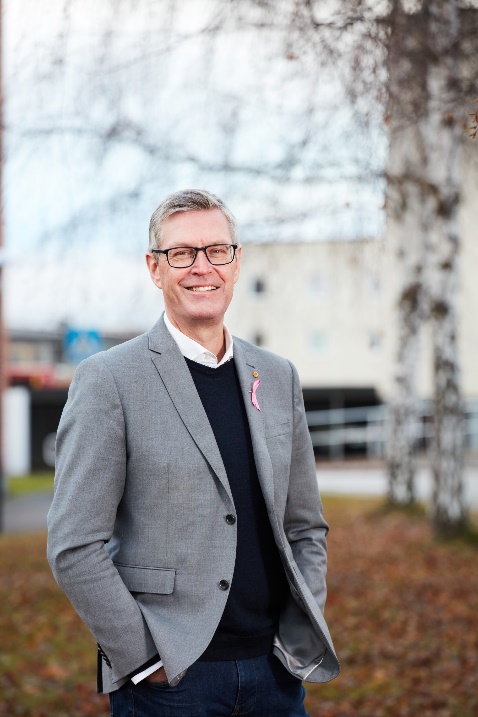
Erik Lövgren, Chair of the Municipal Executive Committee, Ånge Municipality
Richard Berkling, CEO, PowerCell Group
“All major technological shifts require industrial testbeds where new solutions can be tested, scaled, and turned into reality. The energy transition is no exception. Hydrogen Valleys create precisely these environments, where the production, storage, and use of hydrogen are connected in functioning systems.
Sweden has unique conditions to take a leading role, with vast renewable resources, strong industry, and a power system that must be able to balance an increasing share of wind and solar. Here, hydrogen and fuel cells become a strategic asset—not only for the climate, but also for the stability and security of the energy system.
At a time when energy security and total defence have become central issues, this is also about resilience. The ability to store energy, produce electricity locally, and secure critical infrastructure is crucial for both society and industry. Initiatives such as High Coast to West Coast demonstrate how Europe can build a more autonomous, resilient, and competitive energy system in practice.”
Claes Fredriksson, CEO and Founder, Liquid Wind
“The Hydrogen Valley initiative is an important step in Sweden’s energy transition, and we are proud to contribute through the development of our electrofuel plants. By converting green hydrogen and biogenic CO₂ into renewable e-methanol for hard-to-abate sectors such as shipping and aviation, we transform hydrogen from a raw material into a practical and economically viable energy carrier.
Our facilities in Örnsköldsvik and Umeå demonstrate how so-called ‘hydrogen valleys’ can move from production to market implementation with commercial application—a prerequisite for scaling solutions across Europe. Hydrogen Valley gives Sweden a unique opportunity to take the lead by showing how hydrogen and electrofuels can accelerate industrial decarbonisation and build long-term, sustainable value chains.”
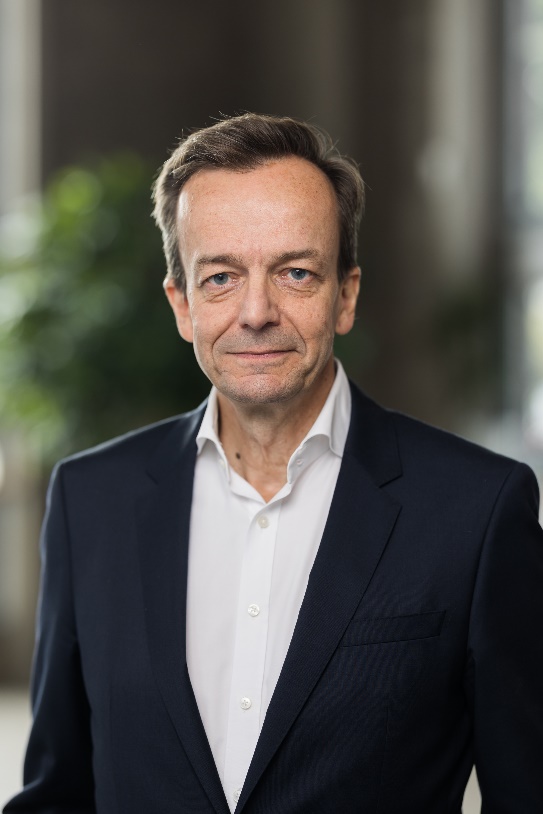
Claes Fredriksson, CEO and Founder, Liquid Wind
Björn Aronsson, CEO, Hydrogen Sweden
“The Clean Hydrogen Partnership’s Hydrogen Valley initiative is a decisive driving force in Sweden’s energy transition—bringing together industry, academia, and public actors to accelerate scalable hydrogen solutions. By building truly integrated hydrogen ecosystems, we are not only driving technological development, but also laying the foundation for a sustainable and competitive hydrogen economy that will benefit Swedish industry, communities, and the climate for a long time to come.”
For more information about the project, please contact:
Anna Sager, RISE Research Institutes of Sweden, anna.sager@ri.se
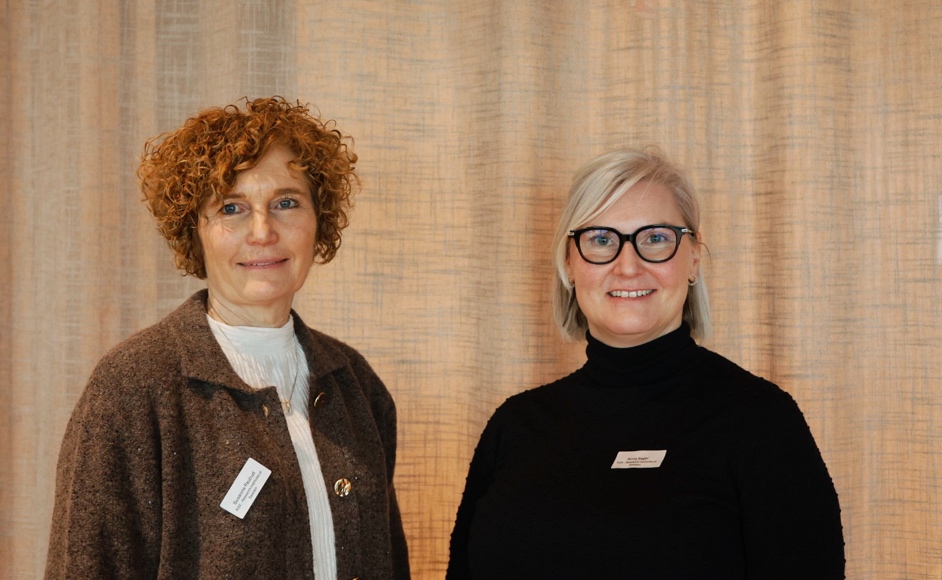
Susanne Paulrud, Scientific Coordinator, RISE, Anna Sager Coordinator, RISE