Contact person
Analyse Cellulose in Biomass Feedstock for More Stable Pulp Production
Variations in wood raw material properties, such as fibre length, lignin content and moisture content, can lead to unstable cooking processes, unexpected quality deviations and increased costs in pulp mills.
Have you experienced unexpected variations in pulp quality without being able to identify the cause in the wood raw material? Variations in fibre length, lignin content and moisture content are often the underlying reason, yet they can be difficult to detect without the right analytical tools.
Identify Biomass Feedstock Variations to Improve Pulp Production Stability
A single poorly adjusted cook, caused by unrecognised variations in fibre feedstock, can result in hours of production downtime and significant financial losses in an industry where margins are often tight.
Achieving stable and resource-efficient pulp production requires a thorough understanding of feedstock properties. Variations in cellulose content and fibre characteristics can affect pulp quality, chemical consumption and overall process stability. When the underlying cause remains unknown, it becomes difficult to take timely and effective action.
RISE helps pulp mills identify and understand variations in biomass feedstock before they impact the production process. Through advanced analysis of cellulose, fibre morphology and the chemical composition of raw materials, we provide insights that support improved process control, more consistent product quality and a reduced risk of operational disturbances.
With decades of experience working alongside the Swedish forest industry, RISE has developed unique expertise in understanding the links between feedstock properties and pulp mill performance. Together with industry partners, we identify the root causes of quality variations and production challenges, enabling preventive measures to be implemented before costly disruptions occur.
How It Works
1. Sampling and consultation
You submit samples of wood, chips, pulp or other biomass feedstocks, together with a description of your challenges, objectives and key questions.
2. Analysis and evaluation
RISE carries out relevant analyses of cellulose, fibres and the chemical composition of the raw material. The methods and scope of the work are tailored to your specific needs and production environment.
3. Results and recommendations
You receive a clear report presenting the results, interpretation and recommendations for actions that can help improve process stability, achieve more consistent pulp quality and optimise feedstock utilisation. Delivery times are agreed based on the scope of the analysis.
Pulp product analyses
RISE combines deep expertise in wood chemistry with advanced analytical capabilities to provide pulp and paper mills with reliable decision support, from raw material to finished product.
To ensure pulp of satisfactory quality, precise fibre and pulp analyses are essential. The following measurements are offered:
Physical properties: beating degree (°SR/CSF), WRV, sheet, basis weight, thickness, density/bulk, strength, and air permeability.
Chemical analyses: carbohydrates, extract content, phenolic groups, fibre charge, kappa number, metals, viscosity, and leachable COD/TOC.
Wood and biomass feedstock
Wood and biomass feedstock characterisation involves analysing chemical composition, structure, and physical and mechanical properties:
Basic parameters: dry content, size distribution, bark content, density, thickness and distribution, fibre dimensions.
Chemical analyses: metals (e.g. calcium, copper, iron, zinc), carbohydrates, lignin, extractives, ash content, organic chlorine, oxalic acid, carbonyl end groups, uronic acids.
Physical properties: viscosity, fibre charge, fibre length and wall thickness, conductivity, pH.
Specific tests: alkali resistance, molecular weight distribution, wash loss, leachable COD/TOC, Kappa number, Fock’s reactivity, hexanal.
We also perform wood and pulp analyses, including alpha, beta and gamma cellulose, as well as contaminants such as stains and dirt.
Fibre dimensions
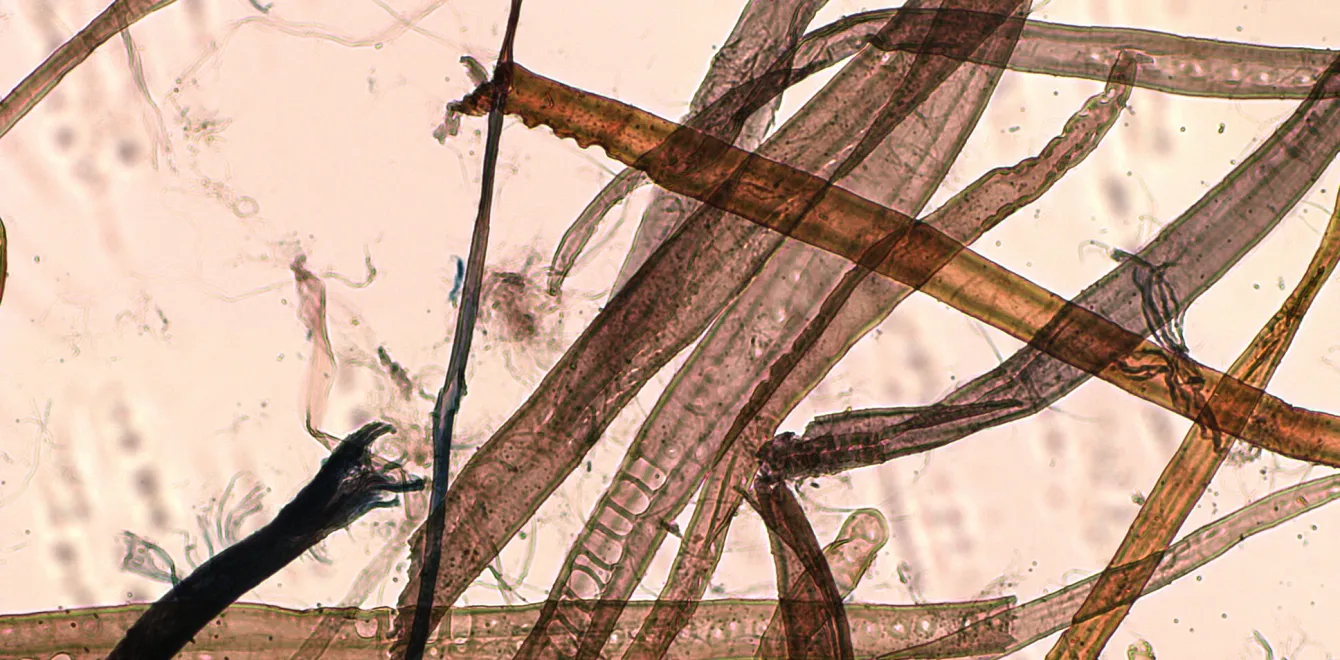
Fibre analysis is a vital process in the pulp and paper industry, offering valuable insight into pulp composition and properties.
By examining fibre length, diameter, curl, coarseness and other key parameters, the performance and suitability of the pulp for various applications can be accurately assessed.
Analyze fillers in cellulose
RISE provides evaluation of fillers in paper products, focusing on critical parameters. We assess key properties such as brightness, pH, dryness and viscosity to determine the quality and suitability of fillers for various paper applications.
